React Native vs Flutter vs Ionic: Which Framework in 2025?
2025-11-24 • by Will Coulter
Choosing the right technology stack for your mobile app is one of the most critical decisions you’ll make. It affects your budget, timeline, app performance, and future scalability. With so many options available—React Native, Flutter, Ionic, and Full Native—it’s easy to feel overwhelmed.
At Databending, we help businesses navigate these choices every day. In this guide, we’ll compare the leading mobile development frameworks to help you decide which one is right for your next project.
⚡ Quick Decision Tree: Find Your Match in 30 Seconds
Don’t have time to read the whole guide? Answer these three questions to find your ideal technology stack.
1. Is your budget under $50k?
- Yes: Go to Question 2.
- No: You can consider React Native or Native depending on performance needs.
2. Do you need complex, custom animations (e.g., a gaming experience)?
- Yes: You need Native (Swift/Kotlin) or a game engine like Unity.
- No: Go to Question 3.
3. Do you need to launch on both iOS and Android in under 3 months?
- Yes: React Native or Flutter are your best bets.
- No, I just need a simple informational app: Consider Ionic or a PWA.
1. The Alternative: Do You Even Need an App?
Before we dive into the frameworks, let’s address the elephant in the room. Does your business actually need a mobile app?
For many businesses, a well-optimized, responsive website or a Progressive Web App (PWA) is actually the better choice. Users are often reluctant to download new apps unless they provide significant, recurring value.
Cost Comparison: PWA vs. Native App
| Feature | Progressive Web App (PWA) | Custom Mobile App |
|---|---|---|
| Development Cost | $15,000 - $30,000 | $60,000 - $150,000+ |
| Time to Market | 4-8 Weeks | 3-6 Months |
| Maintenance | Low (One codebase) | High (iOS + Android updates) |
| App Store Fees | $0 | 15-30% of revenue |
Verdict: If your goal is simply to provide information, allow for occasional bookings, or sell products, a high-performance web app might be superior. We explore this topic in depth in our article: Should Your Business Invest in a Mobile App?.

2. React Native: The Cross-Platform Powerhouse
React Native, developed by Meta (Facebook), allows you to build mobile apps using JavaScript and React. It’s one of the most popular frameworks because it enables code reuse across iOS and Android while delivering a near-native experience.
Real Performance Metrics
React Native isn’t just “fast enough”—it’s production-ready for millions of users.
- Frame Rate: Capable of maintaining 60 FPS (frames per second) in most business applications.
- Startup Time: Optimized architectures (like the New Architecture with Hermes) have reduced startup times to near-native levels.
- Bundle Size: Slightly larger than native, but manageable (typically adds 3-5MB).
Why It’s a Top Choice for MVP App Development
If you are looking to launch a Minimum Viable Product (MVP) quickly, React Native is often the best route. It allows for rapid iteration, meaning you can get your product into the hands of users faster and start gathering feedback. The “Hot Reloading” feature allows developers to see changes instantly without rebuilding the entire app.
Popular Apps Built with React Native:
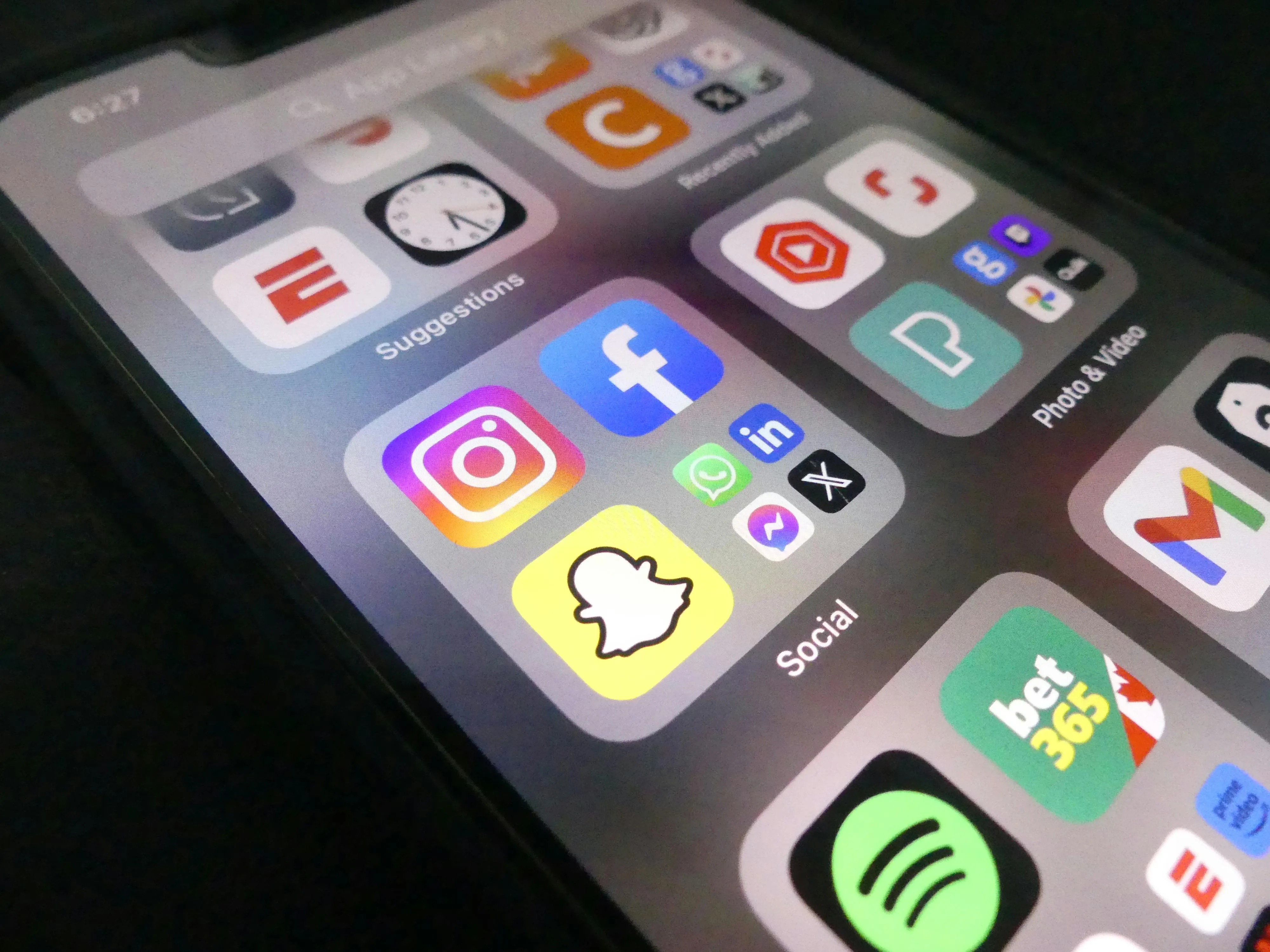
- Facebook & Instagram: The creators of the framework use it for their flagship apps.
- Airbnb: Uses it for significant portions of their app.
- Discord: Built their iOS app completely with React Native.
- Pinterest: Uses it for critical user flows.
Our Take: The Expo & EAS Advantage
At Databending, we love Expo with EAS (Expo Application Services). It provides a robust set of tools for everything you could need for mobile dev—from over-the-air updates to streamlined build processes—while leveraging the full power of React Native.
Curious which approach fits your project?
Let's explore your options together—no pressure, just clarity.
Get Your Project Started
3. Flutter: Google’s UI Toolkit
Flutter is Google’s open-source UI software development kit. It uses the Dart programming language and compiles to native code. It’s known for its beautiful, custom widgets and high performance.
Real Performance Metrics
Flutter’s performance is often indistinguishable from native because it compiles directly to machine code.
- Rendering Engine: Uses the Skia (and now Impeller) graphics engine, allowing it to draw every pixel on the screen.
- Frame Rate: Consistently delivers 60 FPS and can support 120 FPS on devices with ProMotion displays.
- Consistency: Because it draws its own widgets, the app looks exactly the same on an old Android phone as it does on the newest iPhone.
When to Choose Flutter:
- Expressive UI: You need a highly custom, brand-driven design that looks exactly the same on all devices.
- Performance: Compiles to native ARM code, offering excellent performance.
- Fast Development: The “Hot Reload” feature is best-in-class.
Popular Apps Built with Flutter:
- Google Pay: Google’s own payment app.
- Alibaba: One of the world’s largest e-commerce platforms.
- BMW: The companion app for BMW owners.
4. Ionic: The Web-First Approach
Ionic allows developers to build mobile apps using standard web technologies like HTML, CSS, and JavaScript. It essentially wraps a web application in a native container using Capacitor.
The Cost-Effective MVP Solution
If you’re wondering how much does app dev cost, Ionic is often the most cost-effective option for simple apps. Because it uses standard web tech, you can hire standard web developers rather than specialized mobile engineers.
When to Choose Ionic:
- Tight Budget & Timeline: The fastest way to turn a website into an app.
- Simple Requirements: Great for internal business tools or content-based apps.
- PWA Focus: Excellent if you want to deploy a Progressive Web App (PWA).
Popular Apps Built with Ionic:
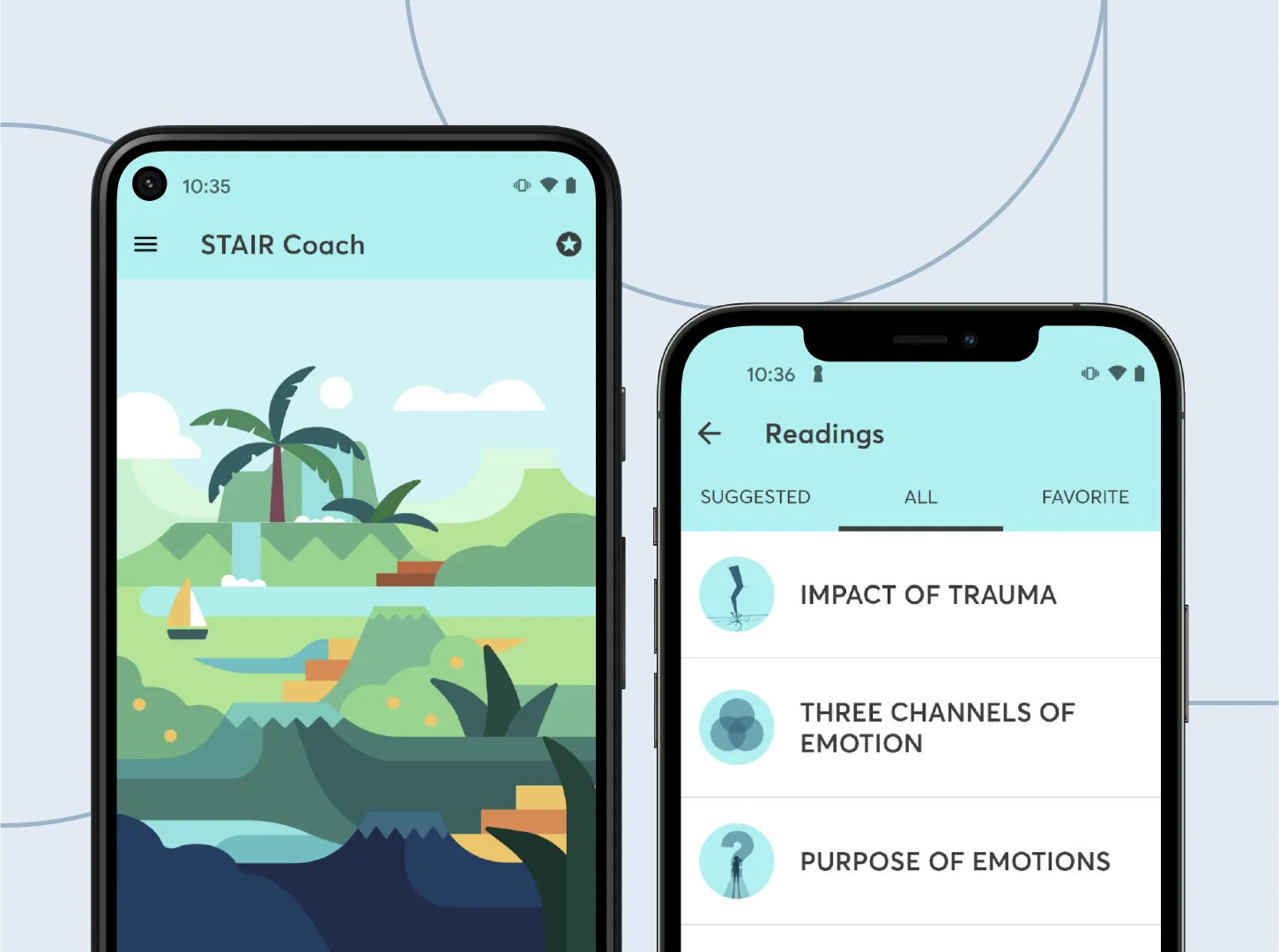
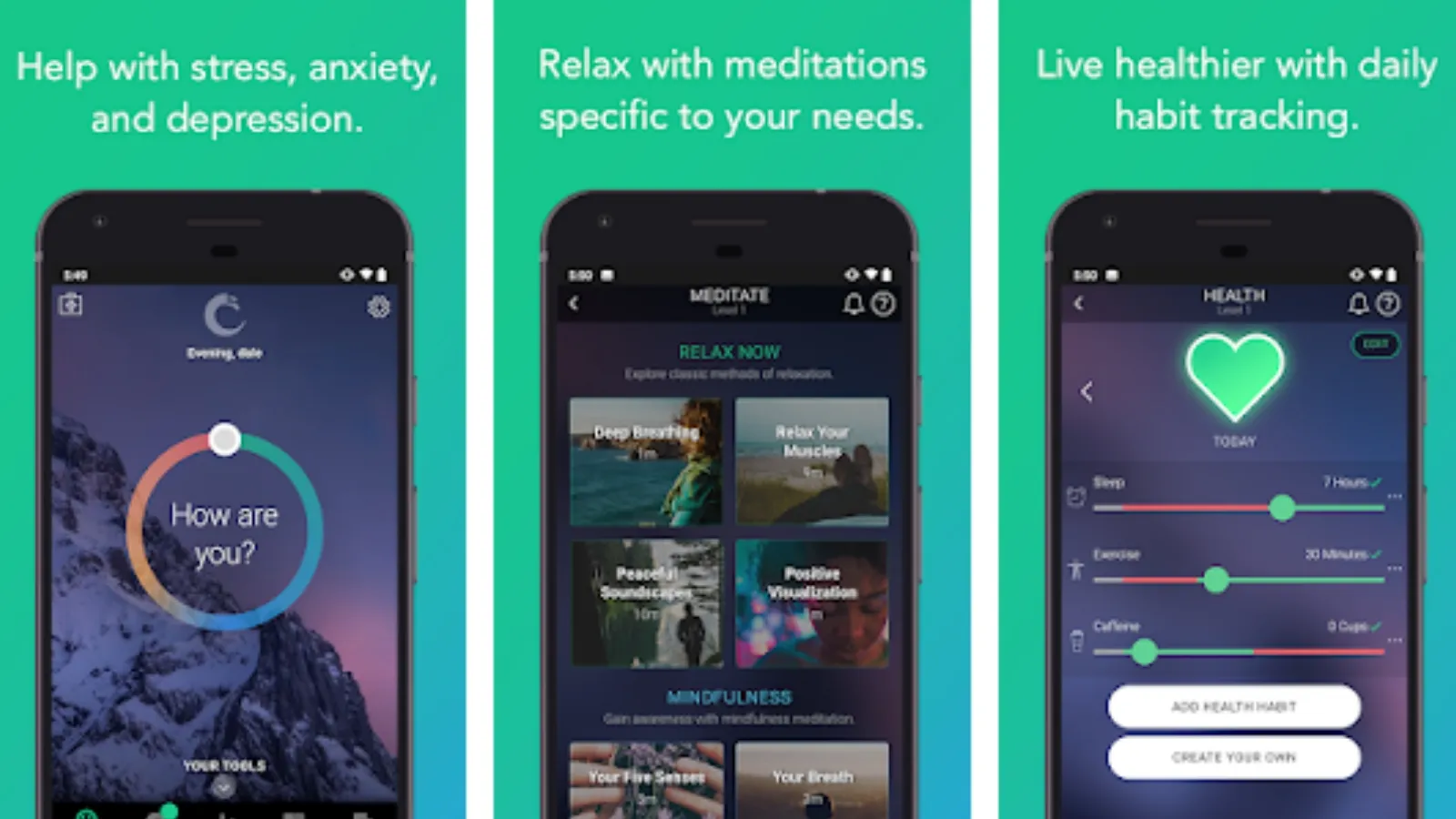
- Pacifica (Sanvello): A popular stress and anxiety relief app.
- Sworkit: A fitness app with millions of users.
5. Full Native (Swift/Kotlin): The Performance King
Native development involves writing separate codebases for iOS (using Swift or Objective-C) and Android (using Kotlin or Java). This is the traditional way of building apps.
Real Performance Metrics
Native is the benchmark against which all others are measured.
- Frame Rate: Unlocked. Can easily hit 120 FPS for complex animations and gaming.
- Memory Usage: Most efficient. Direct memory management allows for lower overhead than any cross-platform solution.
- API Access: Instant. Day-one support for new OS features (like Dynamic Island or new ARKit updates).
When to Choose Full Native:
- Maximum Performance: Essential for high-end games, AR/VR apps, or heavy data processing.
- Deep Hardware Integration: If your app relies heavily on specific device sensors, Bluetooth, or low-level APIs.
- Platform-Specific Features: You want to use the absolute latest features of iOS or Android the day they are released.
6. Real-World Impact: Databending Case Studies
Theory is great, but results matter. Here is how we’ve applied these technologies for our clients.
Case Study A: The E-Commerce Accelerator
Challenge: A Toronto-based retail brand needed to launch a mobile app to compete with major players but had a strict budget of $75k. Solution: We chose React Native. By sharing 95% of the code between iOS and Android, we cut development time by 40%. Outcome: The app launched in just 10 weeks, saving the client approximately $45,000 compared to a dual-native build. It currently maintains a 4.8-star rating on the App Store.
Case Study B: The Logistics Dashboard
Challenge: A logistics company needed an internal tool for drivers to track routes and scan packages. Performance on older Android devices was critical. Solution: We utilized Flutter for its consistent rendering engine. Outcome: The app runs smoothly at 60 FPS even on 4-year-old hardware, ensuring drivers don’t experience lag during their shifts.
7. What the Data Says: 2024 Developer Trends
When choosing a technology stack, it’s wise to look at what the market is doing. A large talent pool means it’s easier to find developers to maintain and upgrade your app in the future.
According to the Stack Overflow 2024 Developer Survey, JavaScript remains the dominant language, which is a massive point in favor of React Native.
- 64.6% of professional developers use JavaScript (the language of React Native).
- 9.9% report using Kotlin (Android Native).
- 4.9% report using Swift (iOS Native).
What this means for your business: Choosing a JavaScript-based framework like React Native ensures you have access to the largest pool of developer talent in the world, reducing the risk of being unable to find support for your app down the road.
8. Frequently Asked Questions (FAQ)
Q: What happens if React Native or Flutter gets deprecated?
A: Both are backed by tech giants (Meta and Google) and are used in their own mission-critical apps. The risk is extremely low. Even if they were deprecated, the open-source community would likely maintain them for years.
Q: Can we switch from React Native to Native later?
A: Yes, but it’s a rewrite. However, you can often keep your backend logic. The good news is that React Native allows you to write native modules, so you can often just rewrite parts of the app in native code if you hit a performance bottleneck, without rewriting the whole thing.
Q: Is React Native slower than Native?
A: For 95% of apps, the difference is imperceptible to the human eye. Unless you are building a 3D game or a video editor, React Native is plenty fast.
Comparison Summary
| Feature | React Native | Flutter | Ionic | Native |
|---|---|---|---|---|
| Performance | High (60 FPS) | High (60-120 FPS) | Moderate | Very High (120 FPS+) |
| Code Reusability | High | High | Very High | Low |
| Dev Cost | Moderate | Moderate | Low | High |
| Learning Curve | Moderate | Steep (Dart) | Low | Steep |
Making the Financial Decision
Choosing a tech stack isn’t just technical; it’s financial. Native development can cost significantly more because you’re essentially building two separate apps. Cross-platform solutions like React Native and Flutter can save you 30-40% in development costs.
For a detailed breakdown of costs, check out our guide on how much app development costs in Canada or get an instant estimate with our App Development Cost Calculator.
And if you’re considering adding intelligent features to your app, you might be surprised at the affordability. Read our analysis on how much it costs to add AI to a project.
Final Thoughts
There is no “best” framework—only the best framework for your specific needs.
- Go Native if you’re building a high-performance game.
- Go Ionic if you have a simple content app and a tight budget.
- Go Flutter if you need pixel-perfect custom designs across platforms.
- Go React Native (with Expo) if you want the perfect balance of performance, native feel, and development speed.
At Databending, we specialize in helping you make these strategic decisions. Whether you need a robust cross-platform solution or a high-performance native app, our App Development Services team is here to bring your vision to life.
⚡ Ready to Start Your Project?
Don't let another quarter pass wondering "what if?" while your competitors gain advantages. Most successful projects start with a single conversation.
Get Your Project Started