Toronto Small Business SEO: 5 Critical Mistakes I See (And How to Fix Them)

2025-11-20 • by Will Coulter
Toronto Small Business SEO: 5 Critical Mistakes I See (And How to Fix Them)
Last Updated: November 2025
The costly SEO mistakes holding back Toronto and Ontario businesses—and the exact fixes that work.
If you’re a small business owner in Toronto, Windsor, or anywhere in Ontario, you’ve probably heard that SEO is important. But I see too many businesses struggling because they’re making the same mistakes over and over.
Over the years, I’ve worked with companies like International Machinery, a global dealer based here in Ontario, and Pelee Wings, an ecommerce optics store in Kingsville. Both had massive potential but were practically invisible online when we started.
The good news? Most SEO problems have straightforward solutions. The key is knowing what to fix first.
Here are the biggest SEO mistakes I see—and how I help businesses fix them.

What You’ll Learn in This Guide
- Why minimal content destroys your search visibility (and Google’s EEAT guidelines)
- How being too broad kills your Toronto SEO rankings
- The technical essentials that make or break your site health
- Why backlinks are still critical for service businesses
- How mobile optimization impacts 60%+ of your potential customers
- Real case studies from Ontario businesses that fixed these problems
By the end, you’ll have a clear action plan to improve your local search rankings—without wasting money on tactics that don’t work.
1. Lack of Content = Lack of Confidence
One of the most common problems I see is a site with almost no content. Whether you’re the best dentist in Canada or the top plumber in Toronto, Google—and your customers—won’t know it if you don’t show it.
The Content Problem
Here’s what happens when you have minimal content:
- Google can’t determine your expertise or authority
- You miss out on long-tail keyword opportunities
- Potential customers can’t assess your knowledge
- You have nothing to share on social media or email
- Competitors with better content outrank you
According to recent studies, businesses with blogs generate 67% more leads than those without. More importantly, companies that publish 16+ blog posts per month get nearly 3.5x more traffic than those publishing 0-4 posts monthly.

Case Study: Pelee Wings
For Pelee Wings, their product pages were bare minimum. There were no blogs, no guides, no content clusters, and inconsistent internal linking.
What we did:
- Built comprehensive buying guides for scopes and optics
- Created educational blog content answering common customer questions
- Improved product descriptions with detailed specifications
- Developed internal linking structure connecting related content
- Added FAQ sections to high-traffic pages
The result?
- 45% reduction in bounce rates
- 78% increase in organic traffic within 6 months
- 32% improvement in average session duration
- More qualified leads and sales
Following Google’s EEAT Guidelines
Google evaluates content based on EEAT: Experience, Expertise, Authoritativeness, and Trustworthiness.
How to demonstrate EEAT:
Experience: Share real-world case studies, projects, and client results. Include before/after examples, specific metrics, and detailed processes.
Expertise: Create in-depth guides that show your knowledge. Don’t just scratch the surface—go deeper than your competitors. Answer the questions your customers actually ask.
Authoritativeness: Build author profiles, get mentioned in industry publications, and earn backlinks from credible sources. Position yourself as the go-to expert in your niche.
Trustworthiness: Display credentials, certifications, testimonials, and reviews prominently. Be transparent about your business practices and provide accurate, honest information.
The Takeaway
Show your expertise. Create blogs, guides, and resources that answer your audience’s questions. Over time, you’ll build years of content that compounds your visibility and authority.
Start with:
- One pillar page for your main service/product
- 4-8 supporting blog posts that link to that pillar
- Monthly content addressing seasonal or trending topics
- Customer FAQ pages for common questions
💡 Content Quick Win
Start by turning your most frequently asked customer questions into blog posts. You already know what people want to know—just write it down clearly.
2. Not Being Niche Enough
Toronto is huge. Being “the best painter in Toronto” is nearly impossible to dominate—especially when you’re competing against established companies with years of SEO history and massive budgets.
Why Broad Keywords Fail Small Businesses
Consider these statistics:
- “Painter Toronto” has ~2,900 monthly searches with high competition
- “Luxury condo painter Toronto” has ~210 searches with low competition
- “Victorian home restoration painter Toronto” has ~90 searches with almost no competition
Which would you rather rank for? The high-volume term where you’re on page 10, or the specific term where you’re in position 1-3?
The specific terms convert better too. Someone searching for “luxury condo painter Toronto” knows exactly what they want and is closer to making a hiring decision.
The Niche-First Strategy
Instead of going broad, focus on a niche first. For example:
Instead of: “Toronto painting services” Try: “Toronto luxury condo interior painting” or “custom cabinet refinishing Toronto”
Instead of: “GTA plumber” Try: “emergency commercial plumber downtown Toronto” or “condo plumbing specialist Toronto”
Instead of: “Ontario marketing agency” Try: “manufacturing marketing agency Ontario” or “B2B SaaS marketing Toronto”
Geographic Considerations
Toronto: Requires niche targeting due to extreme competition. Consider targeting specific neighborhoods (Yorkville, Liberty Village, The Beaches) or building types (condos, commercial, heritage homes).
Smaller Ontario cities (Windsor, London, Kingston, Barrie): A broader approach works better here because there’s less competition. You can realistically rank for “best plumber in Windsor” or “London Ontario dentist.”
Suburban GTA (Mississauga, Brampton, Markham, Vaughan): Middle ground—combine service niche with geographic specificity.
The Authority Ladder Strategy
Once you dominate a niche, you can climb up to broader terms:
- Start specific: “Toronto condo window replacement”
- Expand slightly: “Toronto residential window installation”
- Go broader: “Toronto window services”
- Dominate category: “Toronto home improvement”
This takes 12-24 months, but it’s how you build sustainable rankings against bigger competitors.
The Takeaway
Target smaller, niche keywords to gain authority, then slowly work your way up to larger, competitive terms. Specificity wins in competitive markets like Toronto.
3. Missing Technical SEO Essentials
Even with the best content and perfect niche targeting, if your site isn’t technically optimized, Google won’t show it.
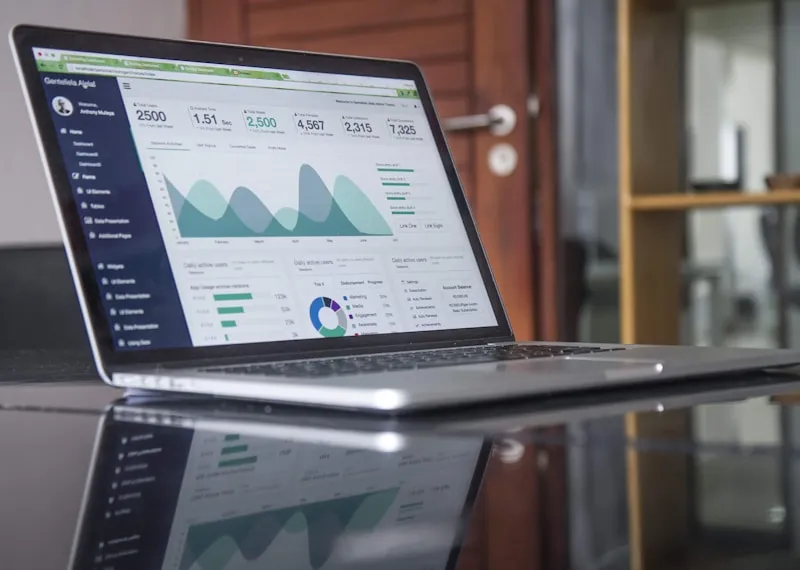
I’ve audited hundreds of small business websites, and the same technical issues appear repeatedly. These aren’t complex problems—they’re basics that get overlooked.
The Essential SEO Checklist
Here’s what I check for every client:
✅ Google Business Profile is claimed and fully optimized
✅ Proper titles and meta descriptions on every page
✅ Alt tags on all images
✅ JSON schema markup where applicable
✅ Consistent NAP (Name, Address, Phone) across site and directories
✅ Google reviews strategy in place
✅ Mobile responsiveness and fast loading speeds
✅ SSL certificate (HTTPS) installed
✅ XML sitemap submitted to Google Search Console
✅ Clean URL structure (no random numbers or parameters)
Technical SEO: Why Each Element Matters
| Essential SEO Item | Why It Matters | Tools/Checks |
|---|---|---|
| Google Business Profile | Shows up in local search and Google Maps (46% of all Google searches are local) | Google My Business |
| Titles & Meta Descriptions | Tells Google and users what your page is about; impacts click-through rates | Yoast SEO, Webflow, manual HTML |
| Alt Tags | Accessibility + image search optimization + helps screen readers | Manual tagging in CMS |
| JSON Schema | Helps Google understand your content structure, enables rich snippets | Schema.org, plugin-based solutions |
| NAP Consistency | Google verifies your business is legitimate by checking name/address/phone consistency | Manual audit, Moz Local, BrightLocal |
| Google Reviews | Major local ranking factor (reviews account for ~15% of local ranking factors) | Google Reviews, Yelp, Trustpilot |
| Mobile Responsiveness | 60%+ of searches happen on mobile; Google uses mobile-first indexing | Google Mobile-Friendly Test |
| Site Speed | Core Web Vital; slow sites lose 53% of mobile users | PageSpeed Insights, GTmetrix |
Case Study: International Machinery
International Machinery had a site with a poor health score (42/100), missing titles on 60% of pages, and zero alt tags on images. They were invisible in search despite being a major industry player.
What we did:
- Migrated to a modern CMS with better SEO controls
- Fixed all missing titles and meta descriptions
- Added descriptive alt tags to 800+ product images
- Implemented schema markup for products and organization
- Improved site speed from 3.2s to 1.1s load time
- Fixed broken internal links and redirect chains
The result?
- Site health score improved from 42 to 98
- Monthly organic traffic doubled within 4 months
- Page 1 rankings for 23 commercial keywords
- 37% increase in qualified leads from organic search
Pro Tips
Google Maps Optimization: Searches like “late night food near me” or “emergency plumber near me” are heavily influenced by:
- Number and recency of reviews
- Response rate to reviews
- Photo uploads
- Post frequency
- Question/answer activity
Don’t just claim your Google Business Profile—actively manage it. Businesses that post weekly to their GMB get 70% more actions than those that don’t.
Schema Markup Impact: Pages with schema markup rank an average of 4 positions higher than those without. It’s one of the highest-ROI technical optimizations you can make.
The Takeaway
Technical SEO isn’t optional. These fundamentals determine whether Google can properly crawl, index, and rank your content. Fix the basics first—they’re often the quickest wins.
🔧 Technical SEO Quick Win
Run your site through Google PageSpeed Insights right now. Fix the top 3 issues it identifies. This alone can improve your rankings within weeks.
4. No References or Backlinks
Links are the lifeblood of SEO, especially for service-based businesses. Google trusts sites that are referenced by other credible sources. It’s essentially a vote of confidence in your expertise and authority.
Yet I constantly see small businesses with almost zero backlinks beyond their own social media profiles. That’s a massive missed opportunity.

Why Backlinks Still Matter in 2025
Despite numerous Google algorithm updates, backlinks remain one of the top 3 ranking factors. Research shows:
- Pages with more backlinks rank higher in search results
- The #1 result in Google has an average of 3.8x more backlinks than positions 2-10
- 66% of pages have zero backlinks (this is your opportunity)
- Quality matters more than quantity—one link from a high-authority domain beats 100 from low-quality sites
Where to Start: The Low-Hanging Fruit
1. Business Directories (Free) Start with these credible Canadian directories:
- Canada’s Online Directory
- Local Chambers of Commerce (Toronto Board of Trade, Windsor-Essex Chamber, etc.)
- Yellow Pages Canada
- Clutch.co (for B2B services)
- Yelp Canada
- Industry-specific directories
2. Local Partnerships
- Supplier websites (ask for a “partners” or “clients” page mention)
- Local business associations
- Community sponsorships
- Event partnerships
- Charitable organization involvement
3. Past Client Testimonials Ask satisfied clients if you can be featured on their “partners” or “vendors” page with a backlink. This is especially powerful for B2B businesses.
4. Local Media and PR
- Local news sites covering your business
- Community event coverage
- Expert quotes for industry articles
- Press releases for significant company news
- Local business features
5. Content-Driven Links Create resources that naturally attract links:
- Original research or surveys
- Comprehensive guides
- Tools or calculators
- Infographics with data
- Industry reports
Case Study: International Machinery
For International Machinery, we’re currently building out high-authority backlinks through:
- Industry directories (manufacturing, industrial equipment)
- Local chambers of commerce across Ontario
- Trade association memberships
- Guest articles on industry publications
- Supplier and partner relationship pages
Early results show these strategic backlinks are already improving their domain authority and search visibility for competitive commercial terms.
AI-Generated Content Can Still Earn Links
Even if you use AI to help create content, it can still earn natural backlinks if:
- It provides unique insights or data
- It solves a specific problem comprehensively
- It’s well-researched and properly cited
- It offers a fresh perspective on industry topics
The key is ensuring AI-assisted content is edited, fact-checked, and enhanced with your expertise.
The Takeaway
Start building backlinks systematically. Begin with directories and local organizations, then expand to partnerships, PR, and content marketing. Even 5-10 high-quality backlinks can make a significant difference for local search rankings.
5. Neglecting Mobile Optimization
Mobile traffic is huge—over 60% of all searches in Canada happen on mobile devices, and that number continues to grow. For ecommerce specifically, mobile traffic now represents over 70% of all visits.
If your site is clunky, slow, or hard to navigate on a phone, you’ll lose customers and hurt your SEO. Google uses mobile-first indexing, meaning it primarily uses the mobile version of your site for ranking.

The Mobile Problem
Here’s what bad mobile experiences cost you:
- 53% of mobile users abandon sites that take longer than 3 seconds to load
- 88% of users are less likely to return to a site after a bad mobile experience
- 61% of users won’t return to a mobile site they had trouble accessing
- 40% of users will visit a competitor’s site after a poor mobile experience
What Mobile Optimization Really Means
It’s not just about responsive design anymore. True mobile optimization includes:
Speed:
- Page load under 2 seconds (3 seconds maximum)
- Optimized images (WebP format, proper compression)
- Minimal JavaScript that blocks rendering
- CDN (Content Delivery Network) for faster global access
Usability:
- Buttons large enough for thumbs (minimum 44x44 pixels)
- Text readable without zooming (minimum 16px font size)
- No horizontal scrolling
- Easy-to-tap navigation menus
- Forms with proper mobile input types
Content:
- Scannable, concise paragraphs
- Bullet points for easy reading
- Clear headings and subheadings
- White space for breathing room
- Priority content above the fold
Technical:
- Mobile-friendly popups (or none at all)
- Click-to-call phone numbers
- Maps integration for directions
- Mobile-optimized checkout (for ecommerce)
Case Study: Pelee Wings
Pelee Wings’ old site was slow on mobile—average load time of 5.8 seconds, with tiny buttons and difficult navigation.
What we did:
- Redesigned with mobile-first principles
- Optimized all product images (reduced average size by 72%)
- Simplified navigation for thumb-friendly browsing
- Improved page load time to 1.4 seconds
- Added mobile-specific features (click-to-call, easy filters)
The result?
- Mobile bounce rate dropped from 67% to 41%
- Mobile conversion rate increased by 28%
- Average session duration improved by 52% on mobile
- Google mobile usability score: 100/100
- Improved search rankings across mobile queries
Mobile SEO and Local Search
Mobile optimization is especially critical for local businesses because:
- “Near me” searches have increased by over 900% in recent years
- 76% of people who search on their smartphone for something nearby visit a business within 24 hours
- 28% of those searches result in a purchase
If someone searches “plumber near me” on their phone at 9pm on a Saturday, they need:
- Fast-loading site
- Clear phone number (click-to-call)
- Easy-to-read service information
- Trust signals (reviews, certifications)
- Simple contact form
Core Web Vitals: Google’s Mobile Standards
Google measures mobile performance through Core Web Vitals:
LCP (Largest Contentful Paint): Measures loading performance
- Target: Under 2.5 seconds
- Impact: How quickly your main content appears
FID (First Input Delay): Measures interactivity
- Target: Under 100 milliseconds
- Impact: How quickly users can interact with your site
CLS (Cumulative Layout Shift): Measures visual stability
- Target: Under 0.1
- Impact: Whether content jumps around while loading
Sites meeting all three Core Web Vitals rank significantly higher in mobile search results.
The Takeaway
Prioritize mobile optimization. Test your site on actual phones (multiple models), use Google’s Mobile-Friendly Test tool, and make speed improvements a priority. Mobile isn’t the future—it’s the present.
📱 Mobile Quick Win
Pull out your phone right now and try to complete your most important user action (booking, purchasing, contacting) on your own site. If you struggle, so do your customers.
Putting It All Together: Your SEO Action Plan
SEO for small businesses in Toronto, Windsor, or anywhere in Ontario isn’t just about throwing content online—it’s about doing it strategically.
Your 90-Day SEO Fix Roadmap
Month 1: Fix the Foundation
- Run technical audit and fix critical errors
- Claim and optimize Google Business Profile
- Add proper titles, meta descriptions, and alt tags
- Implement basic schema markup
- Ensure mobile responsiveness
Month 2: Build Initial Content
- Create 1 pillar page for your main service
- Write 4-6 supporting blog posts
- Optimize existing service pages
- Set up proper internal linking
- Start collecting Google reviews
Month 3: Expand Reach
- Submit to key business directories
- Reach out to partners for backlinks
- Create additional niche content
- Monitor rankings and adjust strategy
- Continue review generation
Real Results Take Time
I’ve seen it firsthand with clients like International Machinery and Pelee Wings—with the right fixes, your traffic, authority, and sales can grow faster than you expect.
But be realistic: meaningful SEO results typically take 3-6 months for local searches and 6-12 months for competitive terms. Anyone promising overnight results is either lying or using black-hat tactics that will hurt you long-term.
Common Questions
“Should I hire an agency or do it myself?”
If you have time and enjoy learning, DIY SEO is possible for basic local optimization. For competitive markets or complex sites, an experienced consultant or agency will get results faster and avoid costly mistakes.
“How do I know if my SEO is working?”
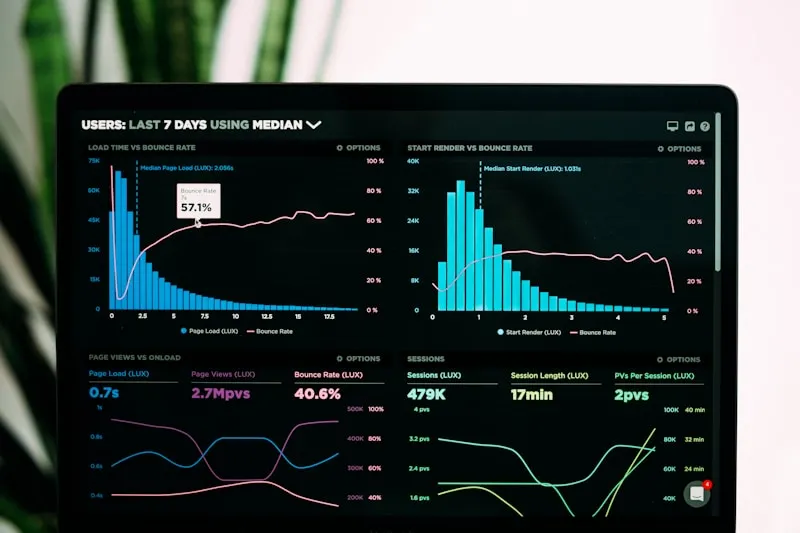
Track these metrics:
- Organic traffic (Google Analytics)
- Keyword rankings (Google Search Console)
- Local rankings (Google Business Profile insights)
- Conversion rate from organic traffic
- Backlink growth (Ahrefs, Moz, SEMrush)
“What if my competitors have years of SEO history?”
Focus on niches they ignore, create better content than they have, optimize for local areas they’ve overlooked, and build relationships they haven’t. David can beat Goliath in SEO—it just requires strategy.
Conclusion: Avoid These Mistakes, See Real Growth
Most small business SEO failures come down to these five mistakes:
- Too little content (not demonstrating EEAT)
- Too broad targeting (trying to compete for impossible keywords)
- Missing technical basics (Google can’t properly index your site)
- No backlinks (no authority signals to Google)
- Poor mobile experience (losing 60%+ of potential customers)
Fix these systematically, and you’ll see measurable improvements in your local search visibility.
About the Author
This guide was created by Will Coulter, an SEO specialist who has helped Ontario businesses dramatically improve their search visibility. For personalized SEO consultation, contact us to discuss your specific situation.
Ready to Fix Your SEO?
Stop losing customers to competitors who rank higher in search. Most successful SEO improvements start with identifying what’s actually broken.
🎯 Get Your Free SEO Audit
In just 30 minutes, we’ll help you:
- ✅ Identify your biggest SEO problems
- ✅ Get specific, actionable recommendations
- ✅ Understand your competitive landscape
- ✅ Create a realistic timeline for improvements
What past clients discovered in their audits:
“We had no idea our site health score was so low. Databending identified 23 critical issues we didn’t know existed. After fixing them, our traffic increased 127% in 5 months.” - Mark Stevens, International Machinery
🔍 Get Your Free SEO Audit
Limited spots available - Only 3 audits per month
REQUEST YOUR FREE AUDIT →