How Much Does It Cost to Build an MVP in Canada? (2026 Guide)

2025-12-07 • by Will Coulter
How Much Does It Cost to Build an MVP in Canada?
Around 90% of startups fail, and one of the biggest reasons? Building too much, too soon. If you’re a Canadian founder wondering whether to invest $200,000 in a full product or $50,000 in an MVP, this guide breaks down exactly what MVP development costs in Canada, what you get at each price point, and how to maximize your chances of being in that successful 10%.
TL;DR for Busy Founders:
- Basic MVP: $15,000-$50,000 (3-4 months)
- Mid-Range MVP: $50,000-$100,000 (4-5 months)
- Complex MVP: $100,000-$200,000+ (5-6 months)
- Funding: With SR&ED + IRAP funding, recover 70-80% of development costs
- Strategy: Start with 3-5 core features max—anything more isn’t an MVP
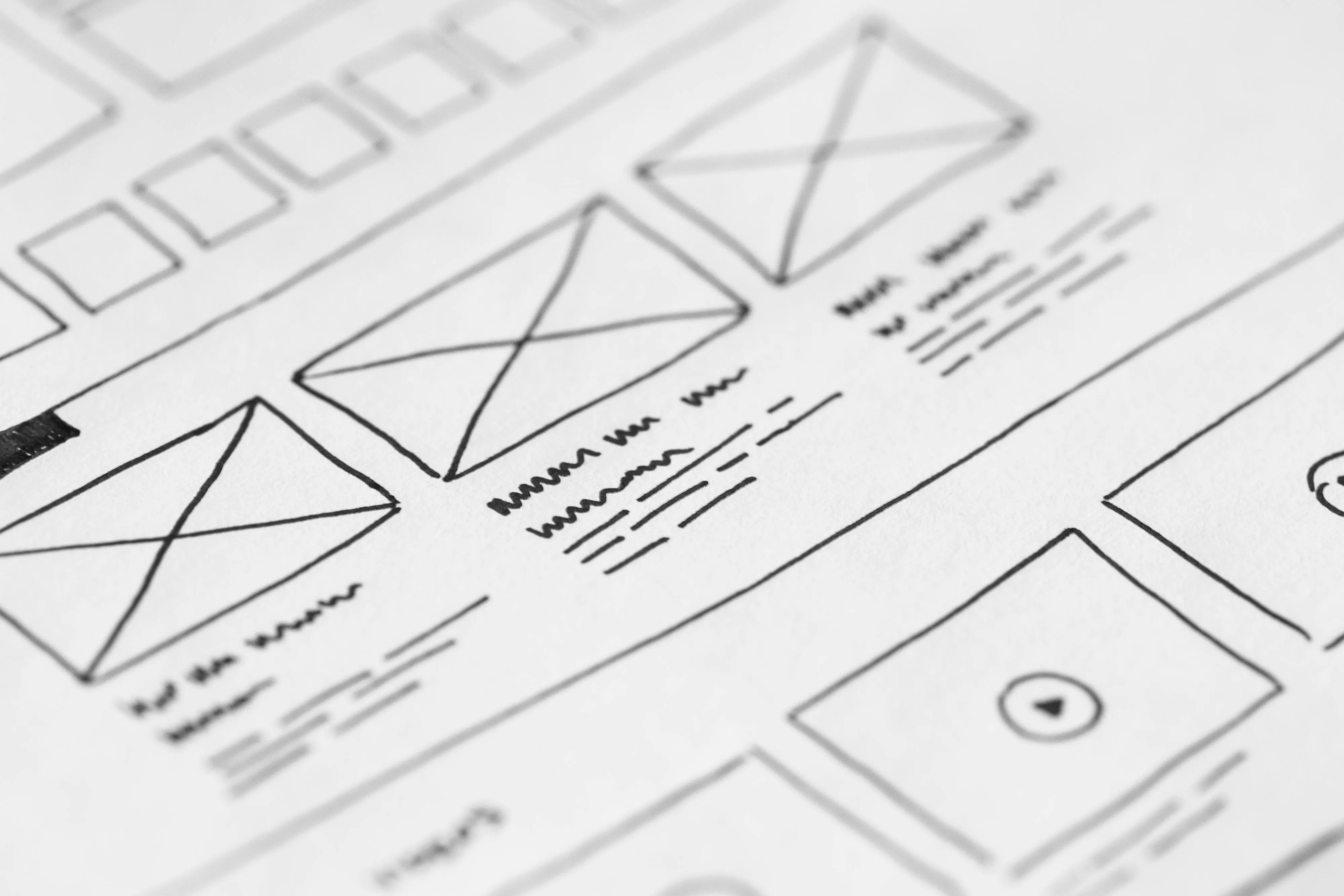
Why Build an MVP First? (The $200K Question)
Here’s the uncomfortable truth: 42% of startups fail because there’s no market need for their product. That’s not a technical failure or a funding problem—it’s founders spending months building something nobody wants.
An MVP solves this by:
- Validating demand before you invest your life savings
- Attracting investors with real user data instead of a pitch deck
- Getting to revenue faster (3-6 months vs 12-18 months)
- Learning what features actually matter to your users
- Avoiding technical debt from premature architecture decisions
Think of it this way: Would you rather spend $50,000 to learn your idea needs a pivot, or $250,000 to learn the same lesson?
What Is an MVP (Examples)
A Minimum Viable Product is a functional version of your app with just enough features to solve a specific problem for early adopters. It’s not a cheap knockoff or a broken prototype—it’s the smartest way to validate whether people actually want what you’re building before investing months and hundreds of thousands into features they might never use.
Real-World MVP Examples
Some of today’s biggest tech companies started with surprisingly simple MVPs:
Dropbox didn’t even build software at first. Founder Drew Houston created a three-minute demo video explaining how file syncing would work. That video generated 75,000 signups overnight, validating market demand before writing a single line of code.
Airbnb began with founders Brian Chesky and Joe Gebbia renting out air mattresses in their San Francisco apartment during a sold-out conference. Their MVP was a basic website with photos of their living room. No payment processing, no reviews, no verification—just a simple way to connect people who needed a place to stay with space available.
Instagram started as Burbn, a cluttered check-in app with photo sharing. When founders Kevin Systrom and Mike Krieger noticed users only cared about the photo feature, they stripped everything else away and relaunched as Instagram—a simple photo-sharing app with filters. They hit 25,000 users in the first 24 hours.
Uber launched as UberCab in San Francisco with just three cars and a basic iPhone app. No surge pricing, no food delivery, no scooters—just “tap a button, get a black car.” They validated the core concept before expanding features and cities.
The pattern is clear: successful MVPs focus ruthlessly on one core problem and solve it well enough to test whether people care.
Typical Canadian MVP Price Range
Based on current market data and Canadian startup funding patterns, here’s what you can expect to pay for MVP development in Canada in 2024-2025:
| MVP Type | Cost Range | Complexity |
|---|---|---|
| Basic MVP | $15,000 - $50,000 | Simple features, 1 platform |
| Mid-Range MVP | $50,000 - $100,000 | Moderate complexity, polished UI |
| Complex MVP | $100,000 - $200,000+ | Advanced features, integrations |
These ranges assume you’re working with a professional Canadian development team. The average cost for most startups lands around $50,000 to $75,000 for a solid, market-ready MVP.
Why Canadian Development Costs More (And Why It’s Worth It)
Canadian development teams typically charge between $100-$200 per hour, which is premium pricing compared to offshore alternatives at $25-$75 per hour. However, you’re paying for:
- Quality engineering with modern best practices
- Understanding of Canadian compliance (privacy laws, accessibility, payments)
- Better communication (no language barriers or cultural misunderstandings)
- Same timezone collaboration (no waiting 12 hours for responses)
- Easier legal recourse if something goes wrong
- Access to funding programs like SR&ED and IRAP that only apply to Canadian development
Plus, the real cost of offshore development is often hidden in extensive project management overhead, miscommunications requiring rework, and quality issues that delay launch by months.
What Impacts MVP Cost?
Several factors determine where your project falls on the cost spectrum:
1. Feature Complexity (Biggest Impact)
The more features you want at launch, the higher the cost. Every additional feature means more design work, development time, testing, and maintenance. The key is identifying your absolute must-haves versus nice-to-haves.
A food delivery MVP might need: user registration, restaurant listings, a basic cart, and order placement. It doesn’t need loyalty programs, AI recommendations, or social sharing on day one.
Common Mistake: Founders often confuse “minimum” with “feature-poor.” Your MVP should solve one problem brilliantly, not ten problems poorly. If you’re listing 20+ features, you’re not building an MVP—you’re building a full product.
2. Design Requirements
Startups need clean, intuitive designs, but there’s a significant cost difference between a functional interface and a highly polished, custom UI with animations and advanced interactions.
- Template-based design: $3,000-$8,000 (uses UI kits like Material Design)
- Custom design: $8,000-$25,000 (unique brand identity, custom components)
- Premium design: $25,000-$50,000+ (animation, micro-interactions, illustration)
For MVPs, aim for the middle ground: custom enough to look professional, standardized enough to stay affordable.
3. Platform Choice
Building for iOS, Android, and web separately triples your work. Smart platform strategies:
- Single platform: Launch on iOS or Android only ($15,000-$40,000)
- Cross-platform: React Native or Flutter for both iOS/Android from one codebase ($25,000-$70,000)
- Progressive Web App: Works on all devices through browsers ($20,000-$50,000)
- All three separately: iOS, Android, and web with native code ($60,000-$180,000)
Cross-platform frameworks can reduce costs by 40-50% while letting you launch on multiple platforms simultaneously from a single codebase. If you are unsure which is right for you, check our Application Development Services for more details on our tech stack.
4. Integrations and Third-Party Services
Every integration adds complexity. Common integrations and their impact:
- Stripe payments: +$2,000-$5,000 (setup, testing, handling webhooks)
- Google Maps: +$1,500-$4,000 (integration, customization)
- Push notifications: +$1,000-$3,000 (OneSignal, Firebase setup)
- Social login: +$1,500-$3,000 per platform (OAuth, token management)
- Email service: +$1,000-$2,500 (SendGrid, templates)
- Analytics: +$1,000-$3,000 (Mixpanel, Amplitude setup)
Simple MVPs minimize integrations to only what’s essential. You can always add more post-launch.
5. Backend Complexity
Apps with real-time features (chat, live tracking), complex data processing, or AI/ML capabilities require sophisticated backend infrastructure, which significantly increases costs.
- Simple backend: Firebase/Supabase ($5,000-$15,000) - CRUD operations, basic auth
- Custom API: Node.js, Python, or Rails ($15,000-$40,000) - Business logic, integrations
- Complex backend: Microservices, real-time processing ($40,000-$100,000+) - Scale, performance
- AI/ML components: Additional $20,000-$80,000 depending on complexity
A simple CRUD application with basic data storage is far cheaper than building sophisticated algorithms or real-time infrastructure.
6. Team Structure and Location
You have three main options in Canada:
In-house team: Highest quality and control, but costs approximately $25,000+ per month for a small team (developer, designer, PM, tester). Only viable if you’ve already raised significant funding.
Local agency: Full-service support ranging from $50,000-$150,000 for MVP development. They handle everything but you’re one of many clients. Best for founders who want hands-off development.
Freelancers: More affordable at $50-$150/hour but requires more hands-on management and carries execution risk. Great for technical founders who can oversee development.
7. Post-Launch Costs (Often Forgotten)
MVPs aren’t “done” after launch. Budget for:
- Hosting: $50-$500/month depending on users and data
- Third-party services: $100-$500/month (Stripe, SendGrid, AWS, etc.)
- Maintenance: $2,000-$5,000/month for bug fixes and updates
- Iteration: $10,000-$30,000 over 6 months based on user feedback
Plan for at least 6 months of runway post-launch to iterate based on real user behavior.
Realistic Timelines
Timeline expectations for MVP development in Canada:
| Phase | Duration | Cost Estimate | Deliverables |
|---|---|---|---|
| Discovery & Planning | 1-2 weeks | $2,000-$8,000 | User personas, feature list, technical architecture |
| Design & Prototyping | 2-4 weeks | $5,000-$15,000 | Clickable prototype, design system, UI mockups |
| Development | 8-16 weeks | $30,000-$120,000 | Working application with core features |
| Testing & Launch | 2-3 weeks | $3,000-$10,000 | Quality assurance, bug fixes, deployment |
| Total Timeline | 3-6 months | $40k - $150k+ | Launched MVP |
Reality Check: Rushed timelines require additional resources, which increases costs by 30-50%. Plan for at least 4 months for a quality MVP. Going faster usually means cutting corners that you’ll regret later.
What Can Slow You Down
- Unclear requirements: Changes mid-development reset progress (add 2-4 weeks)
- Scope creep: “Just one more feature” compounds delays (add 1-2 weeks per feature)
- Slow feedback: Delayed decisions pause development (add 1-3 days per bottleneck)
- Third-party delays: Waiting on API approvals, app store reviews (add 1-2 weeks)
- Founder availability: If you’re unavailable for weekly check-ins, expect delays
The fastest MVPs happen when founders are deeply involved but trust their team’s expertise.
MVP vs Prototype vs Full App
Understanding these distinctions helps you plan your development journey and avoid wasting money:
Prototype
- Purpose: Test design and user experience concepts
- Functionality: Visual simulation, little to no working code
- Can you use it? No—it’s like a movie set, looks real but nothing works
- Audience: Internal stakeholders, potential investors to show vision
- Cost: $2,000-$15,000
- Timeline: 1-4 weeks
- When to use: Before committing to full MVP, want to test UX concepts
MVP (Minimum Viable Product)
- Purpose: Validate market demand with real users
- Functionality: Fully working product with core features only
- Can you use it? Yes—real users can accomplish the core task
- Audience: Early adopters, beta users, initial paying customers
- Cost: $15,000-$200,000
- Timeline: 3-6 months
- When to use: Before building full product, need real user validation
Full App
- Purpose: Capture market share and scale
- Functionality: Complete feature set, polished UX, handles scale
- Can you use it? Yes—production-ready for mass market
- Audience: Everyone in your target market
- Cost: $200,000-$500,000+
- Timeline: 6-18 months
- When to use: After MVP validates demand, ready to scale
The Costly Mistake: Skipping MVP
Many founders mistakenly jump straight to building a full app. This approach is risky and expensive because:
- You’re guessing at features users want (and 42% of the time, there’s no market need)
- You’re investing 6-18 months before getting user feedback
- Pivoting after building a full product is 5-10x more expensive
- Investors want to see traction, not a feature list
The smart path is: prototype → MVP → full app, iterating based on real user feedback at each stage. Each stage de-risks the next investment.
What You Can Build for $10k / $20k / $40k
Here’s what’s realistic at different budget levels in Canada:
$10,000 Budget: Ultra-Lean MVP
At this level, you’re validating a hypothesis, not launching a business.
- What you get: Single platform (iOS/Android/Web), 3-5 basic screens, template design, Firebase/Supabase backend.
- Red flags: Anyone promising native iOS + Android apps or custom backend at this price.
$20,000 Budget: Functional MVP
You can achieve a more functional MVP that feels like a real product.
- What you get: Cross-platform mobile app (React Native/Flutter) OR web app, 6-10 screens, basic custom backend, 3-4 core features.
- Best for: Launching to early adopters and getting initial revenue.
$40,000 Budget: Market-Ready MVP
This enables a solid, professional MVP that can compete in your market.
- What you get: Polished cross-platform mobile app, 10-15 screens, custom UI design, robust backend, multiple integrations (payments, notifications), analytics.
- Best for: Raising seed funding or launching a competitive product.
$60,000+ Budget: Premium MVP
Premium MVP with advanced capabilities that positions you as a serious player.
- What you get: Multiple platforms, 15-20+ screens, advanced animations, scalable infrastructure, complex features (real-time, AI).
- Best for: Well-funded startups ready to dominate their niche.
How to Get Funding for an MVP (The Hidden 70% Discount)
Here’s something most Canadian founders don’t know: Canadian tech startups raised $1.3 billion in Q3 of 2024, and the government offers programs that can recover 70-80% of your MVP development costs.
SR&ED Tax Credits: The 40-70% Rebate
The Scientific Research and Experimental Development program is Canada’s largest R&D tax incentive.
- Get back: Up to 69% of eligible salaries for Canadian Controlled Private Corporations (CCPCs).
- Process: File with taxes, get refund 3-6 months later.
- Work with experts: Ensure your development team knows how to track work for SR&ED.
NRC IRAP: Up to 80% Upfront Grants
The Industrial Research Assistance Program provides grants covering up to 80% of salary costs.
- Key difference: Apply before starting.
- Focus: Technical innovation and commercialization potential.
- Coverage: Can cover up to 80% of internal salary costs and 50% of contractor costs.
Combining IRAP and SR&ED: The 70-80% Solution
You can leverage both programs simultaneously. Example Scenario for a $100,000 MVP:
- IRAP Grant: Covers ~$72,500
- SR&ED Credit: Covers ~$14,850 of the remaining cost
- Net Cost to You: ~$12,650 That’s an 87% funding recovery.
Build Your MVP With Databending
Ready to turn your idea into a validated product? At Databending, we specialize in helping Canadian founders build lean, market-ready MVPs that balance cost, quality, and speed.
- Fixed-Scope MVP Packages starting at $35,000
- 4-6 Month Delivery Timelines with clear milestones
- Modern Tech Stacks (Flutter, React, Node.js)
- SR&ED and IRAP Documentation included
Recent Success Stories:
- HealthConnect: $62,000 MVP → 1,200 users → $2.1M seed round
- TradeLink: $78,000 MVP → $45k GMV in month one → Acquired
- SkillMatch: $51,000 MVP → 340 providers → $180k monthly transactions
Ready to Start?
Use Our MVP Cost Calculator - Get a custom estimate in 3 minutes. Browse Our Services - Detailed breakdowns by industry and feature. Book a Free Strategy Call - 30 minutes to discuss your idea and ballpark costs.
We typically respond to inquiries within 2 hours during business hours.
Frequently Asked Questions
Q: Can I build an MVP for under $10,000? A: Yes, but you’ll need to make significant compromises—single platform, minimal features, template design, and likely offshore development. For most competitive markets, $20k-$40k is the realistic minimum for a quality Canadian-built MVP.
Q: Should I build iOS or Android first? A: Check your target market. In Canada, iOS has 63% market share among smartphone users. If targeting young consumers or premium markets, start with iOS.
Q: What’s the biggest reason MVPs fail? A: Solving a problem nobody has. The second biggest? Building too much before getting user feedback.
Last updated: December 2024
🚀 Validate Your MVP Idea Today
Get a precise cost estimate for your specific features in minutes.
TRY THE CALCULATOR →